Slideshows are the one format with no filming, no editing and no face — which makes them the only thing you can genuinely post every single day. SlideScale turns your photos and your hooks into finished posts, twenty at a time.

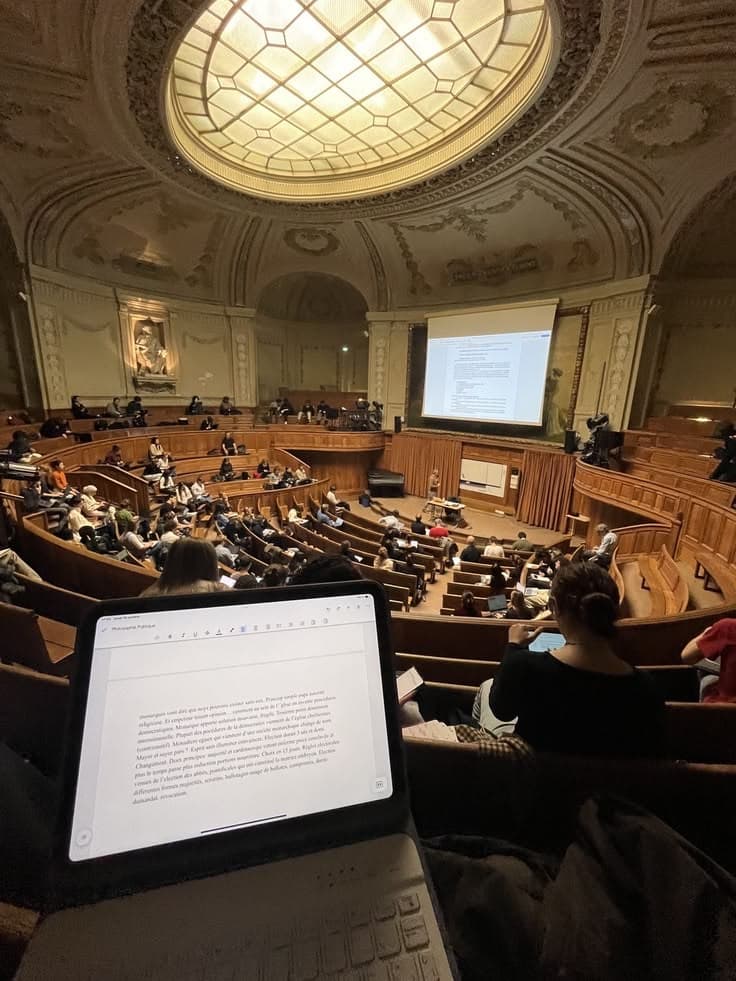
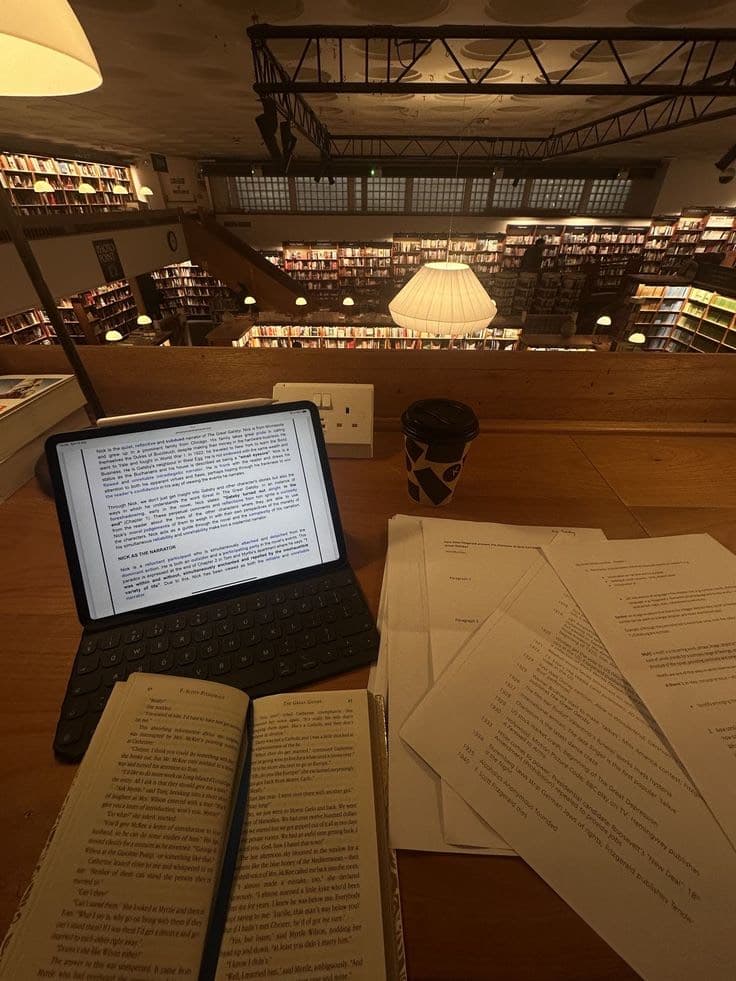
3 zero effort ways to get a 4.0

Read the syllabus in week one and put every due date somewhere you actually look.

Do the reading before the lecture, not after. Same hour, half the work.

Book the study block before the panic. Fifty minutes beats a four hour scramble.

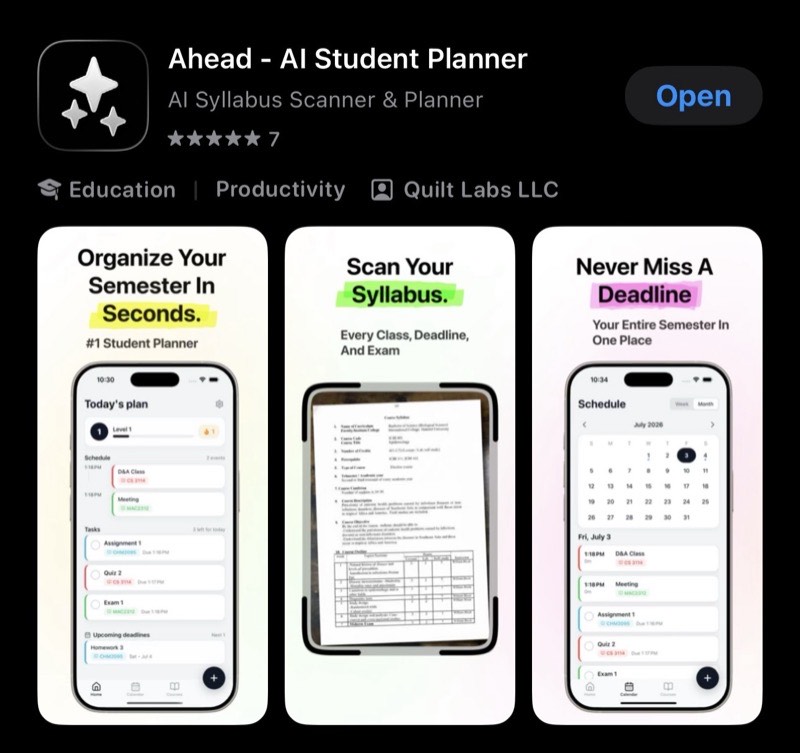
I scanned my syllabus into Ahead and it built my whole semester.

Every other organic playbook asks you to film something. That's why almost nobody sustains one. Slideshows removed the production cost, and once production is nearly free, posting daily stops being a discipline problem and becomes a throughput problem.
No filming, no editing, no lighting, no talent, no confidence. The bottleneck that kills every other organic strategy before it starts simply isn't there.
People move through slides at their own pace and swipe back to re-read. There's no half-second window to nail before they scroll — the hook sits there until they've read it.
A video is an afternoon. A slideshow is minutes. That difference is the only reason posting at volume is possible at all — and volume is the entire strategy.
Nothing about a slideshow is tied to your face or your voice, so the same pool of photos feeds several pages in different niches without any of them looking staged.
Organic reach is not earned evenly. Most posts get shown to a small test audience and go nowhere; occasionally one keeps getting pushed and does more numbers than everything before it combined. Nobody — not you, not an agency — can reliably tell in advance which is which.
So the only lever you actually control is at-bats. Four posts a month is four chances at an outlier. Forty is forty. Slideshows are the one format where forty is a realistic number, and this is the tool that makes it a morning instead of a month.
This is the whole reason people who already know the strategy works still don't run it. Every post starts from a blank canvas, and the boring half is the half you repeat every single time.
The first batch takes a few minutes because you're loading photos. Every batch after that is: paste hooks, hit render.
One folder of covers, one folder of everything else. You do this once — every future batch draws from the same pool.
Paste a list you already trust, or describe what you sell and get twenty written for you. One hook becomes one post.
The middle slides get written to deliver exactly what that post's hook promised — and across the whole batch at once, so twenty posts don't all make the same point.
A folder per post: slides numbered in upload order, caption written, your CTA already on the end. Post them, or hand the folder to whoever does.
Log what each post did and your hooks sort themselves by what actually works. One click writes more variations of a winner — which is how a lucky post becomes a repeatable one.
Each of these is the first slide of a finished post — with its own images, its own caption, and your CTA already on the end.
How to study for exams in 3 days
Study methods that feel illegal
3 ways to get a 4.0 without burning out
How to cram before a test and ace it
3 habits that quietly make you smarter
The study advice I ignored for years
How to study with zero motivation
3 rules I break as a high achiever
Study habits I wish I knew sooner
The most overpowered study methods right now
How to catch up when you're behind
3 things I'd redo my freshman year
Everything else is production. The hook is the post. And writing twenty good ones on a Tuesday night is exactly where people give up and post something vague about their day.
So describe what you're selling and get a list back — every line short enough to read in a second, promising the viewer something specific, and postable exactly as written. Keep the ones you like. They're yours to reuse forever, and good hooks are meant to run more than once.
Get your hook listSlides are numbered in the order they get uploaded, so whoever posts just selects them all. The caption sits next to them in a text file, ready to paste. There's no account to open, no software to learn, and no reason it has to be you doing the uploading.
post-01-how-to-study-for-exams-in-3-days/ 01.jpg 02.jpg 03.jpg 04.jpg 05.jpg caption.txt post-02-study-methods-that-feel-illegal/ 01.jpg 02.jpg 03.jpg 04.jpg 05.jpg caption.txt post-03-3-ways-to-get-a-40-without-burning-out/ ...
Organic TikTok is the cheapest install channel you have, and it only works if you're posting daily. This is how you post daily without it becoming your job.
No filming, no editing, no face. Slideshows are the format that scales, and running five pages costs you the same afternoon as running one.
Give a client a month of posts in a morning. The output is a folder anyone can upload from — no seat, no training, no Canva file to hand over.
$29.99/ month
cancel anytime · secure checkout by stripe
—
Far less than video. Most accounts still default to filming because that's what they think content means, which is exactly why the production cost of slideshows is still an edge. And saturation isn't really the constraint anyway — reach is decided post by post, so what matters is whether your hook is better than the next one in the feed, not how many people are technically using the format.
No. Slideshows are the whole point of the format — a hook over a photo, a few images, a call to action. Nobody films anything, and the accounts that do this best never show a face.
No, and that's deliberate. There's no reliable auto-poster for slideshows with trending sounds, and the tools that claim otherwise put your account at risk. You get post-ready folders — uploading one takes about a minute, and it's the part where you pick the sound.
You bring them. Curating a pool once and drawing from it forever is what makes this fast; auto-scraping images at scale is how accounts get flagged. Most people build a pool of thirty or forty photos and reuse it for months.
Log what each post did — views, likes, comments — and the tracker ranks your hooks by the median run rather than the total, so one lucky post can't make a weak hook look reliable. When something wins, one click writes more variations of it into your list. That loop is the whole reason to post at volume: you're buying information about what your audience responds to, then spending it.
Each post pulls different images from your pool, so two posts sharing a hook still look different. The thing that varies most is the hook itself, which is also the thing that decides whether anyone stops scrolling.
You bring the hook, or have it written; the slides underneath get written for you. Each post's body has to actually pay off what its hook promised — a hook that says “3 ways” lands three things, one per slide — so the copy is written per post, and the whole batch is written in one pass so twenty posts don't repeat the same tip in shuffled words. You can edit any line before rendering.
Describe what you're promoting and who it's for, and you'll get a list written against what actually works in short form — a promise of information, short enough to read in a second, no emoji that won't render. You edit the list, then it's yours to reuse.
No. Slides come out at 1080×1350 with margins that clear TikTok's buttons, the caption strip and the username, and copy that runs long shrinks to fit instead of getting cut off. You should never have to re-crop a batch.

Free, and you'll know inside ten minutes whether it works for you.